Living with ADHD
ADHD medication out of stock: what to do
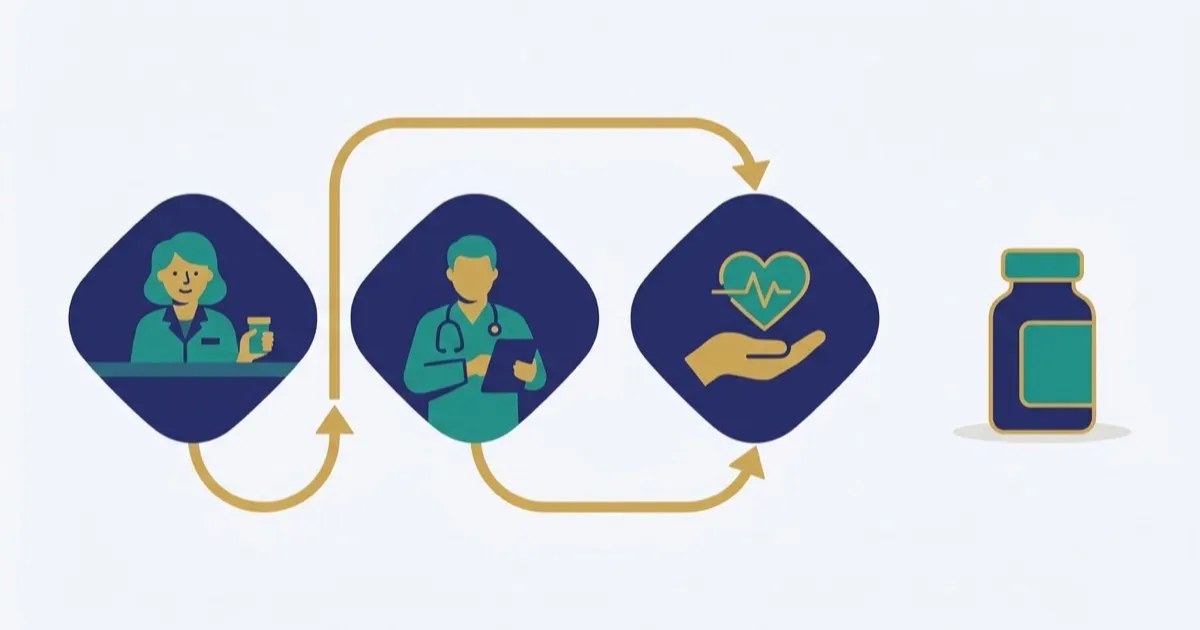
If you cannot get your ADHD medication in the UK: ask the pharmacist exactly what is unavailable and whether a Serious Shortage Protocol applies, try other pharmacies since stock differs branch to branch, and contact your prescriber about alternatives before you run out; only a prescriber can change a prescription. Do not stop suddenly without clinical advice, and never buy from unregulated online sources. Supply changes weekly and varies by area, so this page points you at the live sources rather than printing stock claims. This is information, not medical advice.
Information only, not medical advice. Never start, stop or change prescription medication without advice from your prescriber or pharmacist. In an emergency, seek urgent medical help.
Step 1: get specific at the pharmacy
- Ask what exactly is unavailable. Your brand? Your strength? All versions? A different strength or a different brand of the same medicine is often obtainable when "it is out of stock" is the headline.
- Ask whether a Serious Shortage Protocol applies. When the government issues an SSP for a medicine, the pharmacist can supply a specified alternative strength, formulation or quantity without a new prescription, with your consent (Community Pharmacy England).
- Ask them to check other branches, and try other pharmacies yourself. Stock differs street to street, and independents can differ from chains. Your pharmacist may help you locate supply.
- Count the days of medication you have left. Every later conversation goes better with a number in it.
Step 2: the prescriber conversation about alternatives
Only a prescriber can change a prescription, so if the pharmacy route is exhausted, contact whoever prescribes your medication (GP under shared care, or your specialist) and cover:
- What the pharmacist said is unavailable, and how many days you have left.
- Whether a different strength, formulation or brand of your current medication is appropriate for you.
- Whether a temporary switch to an available alternative is appropriate in your case, and what to expect from it.
- What to do if you run out entirely before stock returns. Do not improvise this one; ask.
If your prescribing sits with a private or Right to Choose provider, response times vary; contact them early rather than on your last day of tablets. If your GP has declined shared care and prescribing responsibility is unclear, see can my GP refuse shared care?.
What not to do
- Do not stop or change your medication on your own. Speak to your prescriber first.
- Do not buy prescription stimulants from unregulated websites or unofficial sellers. It is unsafe and unlawful.
- Do not borrow someone else's medication.
Where the live supply information actually is
- Your pharmacist and prescriber. They can see current wholesaler availability and the official notices, which is why every step above starts with them.
- The Medicines Supply Tool on the Specialist Pharmacy Service site, maintained with the Department of Health and Social Care, is the authoritative feed professionals use for supply issues, actions and expected resolution dates. It requires a professional login, so your pharmacist is your route to it.
- Active Serious Shortage Protocols are listed publicly by Community Pharmacy England, which points to the NHS Business Services Authority for the current list.
- Charity updates. ADHD UK campaigns on ADHD medicine supply and publishes updates for patients.
Plan ahead for next time
- Order repeat prescriptions in good time, a week or more before you run out.
- Ask your pharmacy whether they can order your medication ahead of your repeat becoming due.
- Keep a note of which local pharmacies have been reliable for your medication.
For wider context on managing ADHD day to day, see what actually helps with adult ADHD, and if a shortage collides with a house move or GP change, moving GP on ADHD medication.
Sources and basis
Serious Shortage Protocols: issued by the Secretary of State for Health and Social Care; they specify an alternative product or quantity (alternative strength, formulation, generic or therapeutic alternative, or less of the product) that a pharmacist may supply with the patient's consent. Source: Community Pharmacy England, Serious Shortage Protocols.
The Medicines Supply Tool and patient-facing shortage resources: Specialist Pharmacy Service, medicines shortages leaflets and posters (content provided by DHSC and NHS England; published 24 November 2025).
This page deliberately makes no claim about which ADHD medicines are in or out of stock today. Availability changes weekly and varies by brand, strength and area; the live sources above, via your pharmacist and prescriber, always win.
Frequently asked questions
What should I do first if my ADHD medication is out of stock?
Ask the pharmacist exactly what is unavailable (your brand, your strength, or all versions), whether a Serious Shortage Protocol applies, and when they expect stock. Then try other pharmacies, since stock differs branch to branch, and contact your prescriber if a switch or interim plan may be needed. Do not stop or change your medication without clinical advice.
What is a Serious Shortage Protocol (SSP)?
When there is a serious shortage of a specific medicine, the government can issue an SSP that lets the pharmacist supply a specified alternative, such as a different strength, formulation or quantity, without sending you back to the GP for a new prescription, and only with your consent. SSPs are medicine-specific and time-limited, so ask the pharmacist whether one applies to yours. Active SSPs are listed publicly by the NHS Business Services Authority and Community Pharmacy England.
Can I just stop my medication during a shortage?
That is a decision for you and your prescriber, not something to do on your own. Stopping suddenly can have effects, so ask your clinician what to do if supply is interrupted, and ask before you run out if you can.
Is it safe to buy ADHD medication online without a prescription?
No. Buying prescription stimulants from unregulated sources is unsafe and unlawful. Always go through a UK-registered prescriber and pharmacy. If you cannot get your medication, contact your prescriber rather than seeking unofficial supply.
Where can I check live UK medicine supply information?
The authoritative feed is the Medicines Supply Tool on the Specialist Pharmacy Service site, maintained with the Department of Health and Social Care, but it requires a professional login, which is why your pharmacist and prescriber are your practical route to it. Publicly, you can see active Serious Shortage Protocols via the NHS Business Services Authority and Community Pharmacy England. We deliberately do not publish stock claims because availability changes weekly and varies by area.
Editor, ADHD Helper
Adam leads ADHD Helper's editorial coverage of adult ADHD, and he writes it from lived experience: Adam has ADHD himself, diagnosed as an adult, and has been through the assessment routes and the daily workarounds this site covers. He is the founder and managing director of Muswell Rose and researches the plain-English explainers on getting an ADHD assessment through NHS Right to Choose or privately, and on the products and tools people use to manage ADHD, drawing on guidance from the NHS, NICE and the Royal College of Psychiatrists. He is clear that the site is information, not medical advice, and that diagnosis is for a registered clinician.
Last updated: